In recent years, the rise of technology has been nothing short of amazing. We’ve seen futuristic concepts from sci-fi movies become a part of our everyday reality, revolutionizing fields like gaming, education, and healthcare. Among all the advancements, two standout technologies are making waves across multiple industries: Augmented Reality (AR) and Virtual Reality (VR).
From entertainment and education to marketing and corporate promotions, Augmented Reality and Virtual Reality are reshaping how we experience the world. However, one industry in particular is undergoing a profound transformation: healthcare.
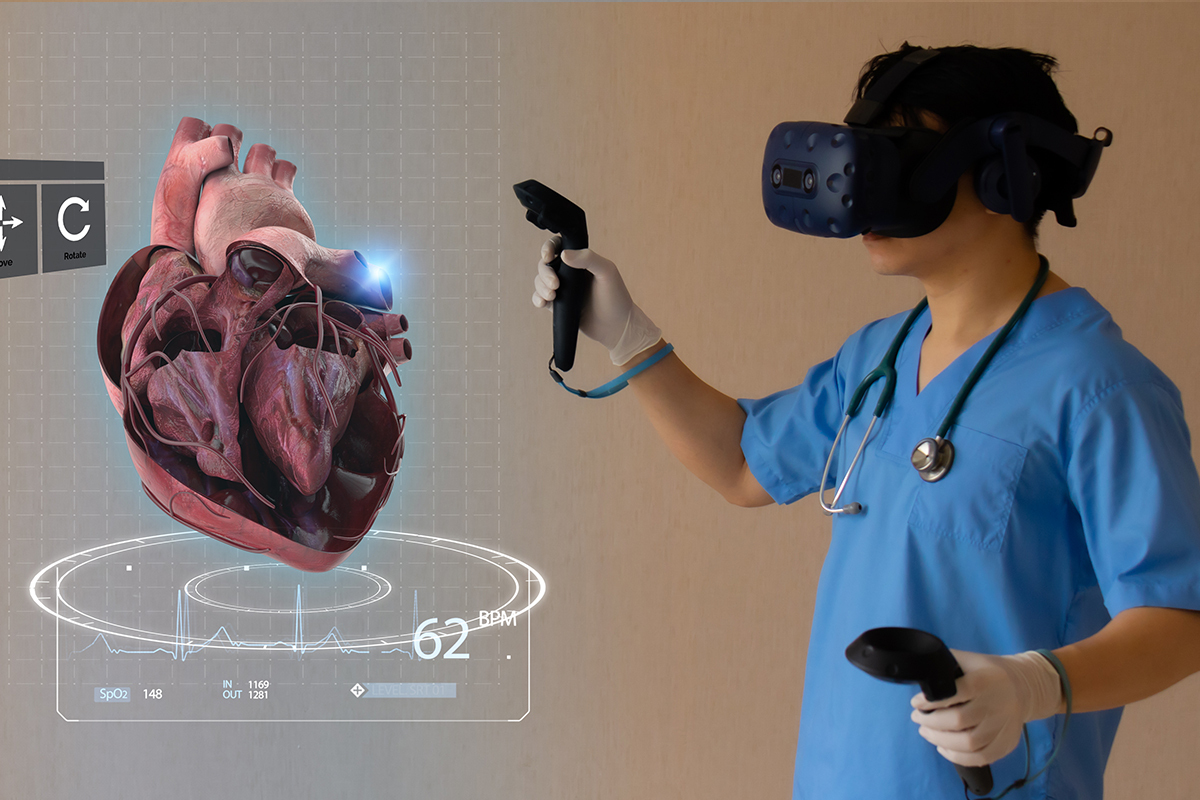
How Augmented Reality and Virtual Reality Are Revolutionizing Healthcare
AR and VR, once associated mainly with video games and virtual experiences, are now playing a pivotal role in healthcare—enhancing medical training, improving patient care, and optimizing medical procedures. But what does that look like in practice?
Transforming Medical Training
Gone are the days when medical students had to rely solely on textbooks or cadavers to learn about the human body. AR and VR have introduced a new way to explore anatomy in a fully immersive 3D environment. Trainees can now interact with virtual body structures, gaining a better understanding of the complex relationships between organs and systems.
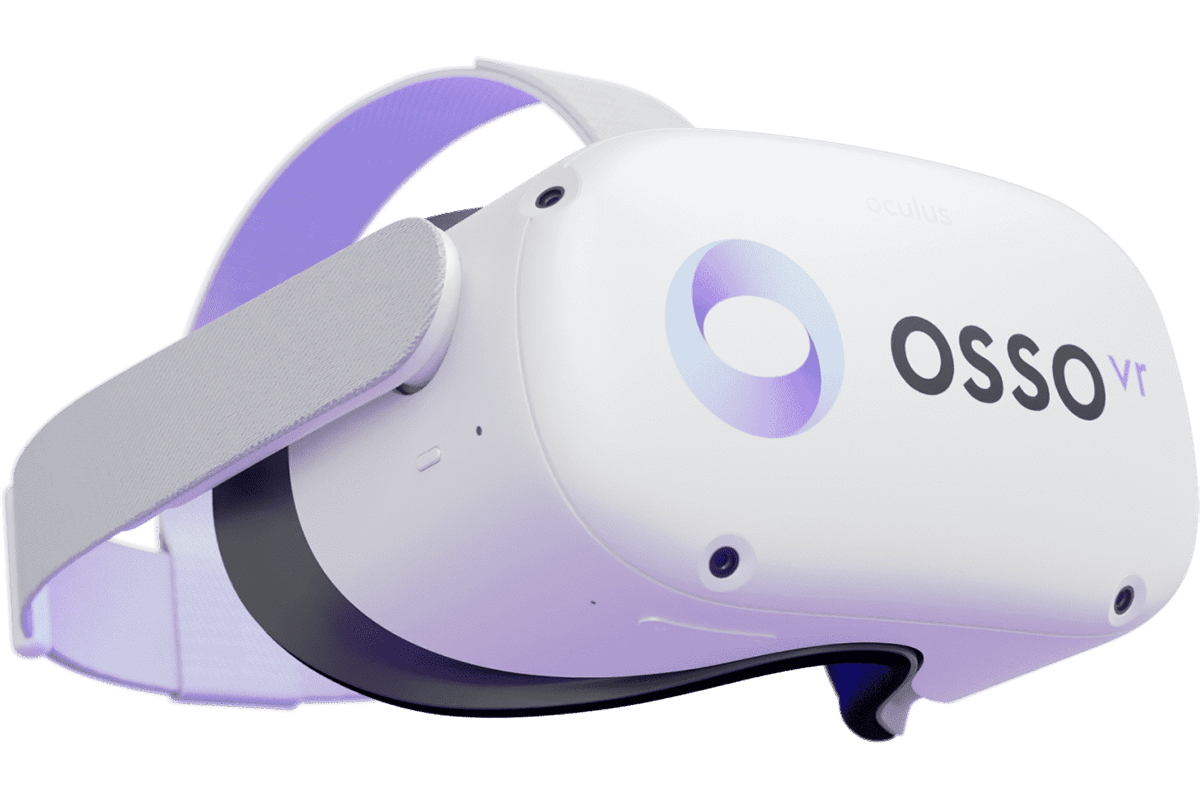
For instance, platforms like Osso VR and Touch Surgery allow future surgeons to practice procedures in a virtual space. They can make mistakes, refine their techniques, and repeat surgeries without any real-life risk. This approach helps students build the confidence they need before stepping into an operating room.
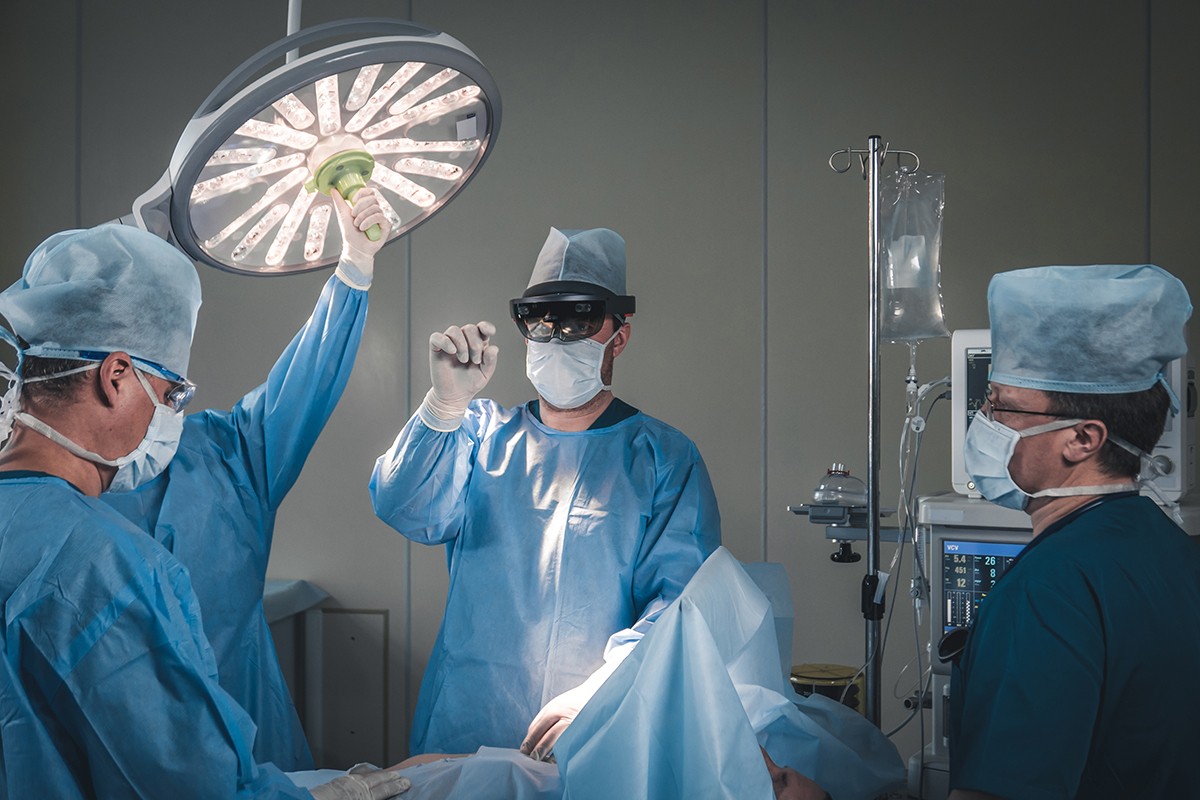
Even for experienced surgeons, AR tools such as Microsoft HoloLens have proven to be a game changer. By overlaying digital information onto a patient’s physical body, AR can provide real-time guidance during surgery, enhancing precision and minimizing the chance of errors—a development that can literally save lives.

Enhancing Patient Care with VR
Beyond training, VR is making a difference in patient care, especially in pain management. Imagine burn victims going through painful treatments but finding relief by immersing themselves in a virtual world. VR therapy has shown impressive results in distracting patients from pain, offering a new avenue for care.
Mental health is another area where VR is stepping in. VR-based exposure therapy is helping people confront and manage phobias, PTSD, and anxiety in controlled virtual environments. Apps like Bravemind and Limbix are designed to create safe spaces where patients can gradually face their fears at their own pace.
Meanwhile, AR is becoming a helpful tool in physical therapy and rehabilitation. AR-based exercises can provide real-time feedback to ensure patients perform movements correctly, boosting the effectiveness of their recovery. By keeping patients engaged, AR is also improving long-term outcomes.
Optimizing Healthcare Processes
AR and VR aren’t just transforming training and care—they’re also streamlining healthcare processes. For instance, AR can superimpose MRI or CT scan data directly onto a patient’s body, giving doctors a more detailed view for diagnosis and treatment planning. This type of visual aid helps improve both accuracy and efficiency in healthcare settings.
When it comes to remote consultations, VR is enhancing the doctor-patient connection. Imagine being able to meet your doctor in a virtual space, no matter where you are. For those in remote or underserved areas, this opens the door for better access to quality healthcare.
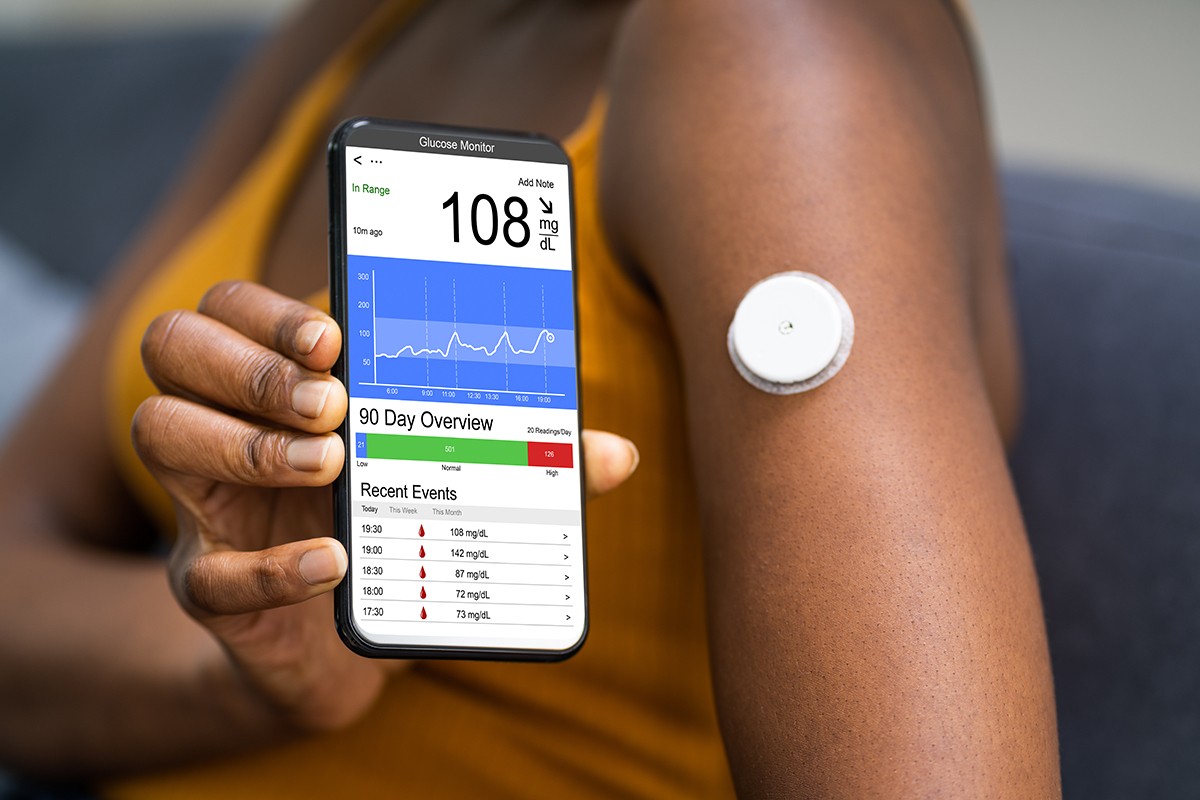
Challenges and What’s Next for AR/VR in Healthcare
While AR and VR hold incredible potential, their adoption in healthcare comes with some challenges. High costs, technical limitations, and the need for specialized training can make it difficult for every healthcare institution to jump on board. However, as these technologies become more accessible and affordable, we can expect to see their influence grow.
The future of AR and VR in healthcare is bright. These tools are not only changing how care is delivered but also opening new possibilities we’ve yet to explore. As innovation continues, healthcare professionals will have even more powerful tools to improve patient outcomes and push the boundaries of what’s possible in medicine.
The journey of AR and VR in healthcare is just beginning, and we’re excited to see where it leads!
Authored by: Maneet Kaur